Product Description
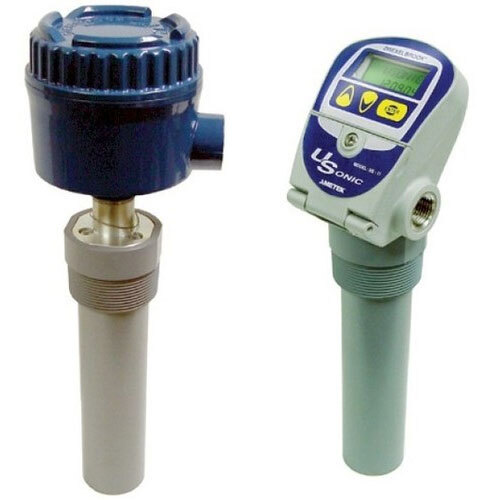
Mud Pit Level Sensor is a digital type test instrument that is commonly used in drilling operations to measure mud levels. It is designed by using high-quality semiconductors and electronic components which lead to high accuracy and precision. It is equipped with a backlit LED screen to easily read output. The perfectly sealed design of this instrument gives excellent protection against rust, moisture, water, and chemical attacks. The offered Mud Pit Level Sensor is provided with threaded connectors to make tight leak proof joints. Buy from us this industrial tool at a reasonable and low price.
A mud pit level sensor is a device used in drilling operations to measure the level of drilling fluid (also known as mud) in a mud pit. The mud pit is a large container used to hold the drilling fluid that is used in the drilling process.
The mud pit level sensor typically consists of a transducer or a sensor probe that is placed at the bottom of the mud pit. The transducer detects the level of mud and sends a signal to a control system or a display device, which displays the level of mud in the pit.
The mud pit level sensor is important in drilling operations because it helps to ensure that the mud level remains at a constant level throughout the drilling process. This is important because the mud is used to cool and lubricate the drill bit, and if the level is too low, the bit may become damaged or the drilling operation may need to be stopped.
In addition to measuring the mud level, some mud pit level sensors may also have additional features such as temperature sensors or alarms that alert the operator if the mud level drops below a certain level.
Overall, mud pit level sensors are an important tool in the drilling industry as they help to ensure safe and efficient drilling operations by monitoring the level of drilling fluid in the mud pit.
Engineered for Extreme EnvironmentsThis sensor is specifically designed to operate reliably in tough oil & gas drilling conditions. With a weatherproof IP68 enclosure and resistance to shock, vibration, and corrosive media, it ensures accurate measurements regardless of mud pit or industrial sludge tank environments.
Flexible Output and Connection OptionsThe sensor offers analog 4-20 mA output and optional digital communication like Modbus/RS485 for flexible integration with control systems. It supports both threaded (2-inch BSP/NPT) and flange process connections, making it easy to retrofit or install in new setups.
Easy Maintenance and Self-DiagnosticsFeaturing built-in fault indicators and virtually maintenance-free operation, this level sensor helps reduce downtime. The powder-coated or stainless steel enclosures ensure long-lasting performance even with minimal servicing, ideal for remote or hard-to-access installations.
FAQs of Mud Pit Level Sensor:
Q: How does the Mud Pit Level Sensor ensure reliability in mud and slurry applications?
A: The sensor uses ultrasonic or hydrostatic measurement principles, offering high sensitivity and resistance to harsh conditions. Its stainless steel or engineering plastic construction, IP68 rating, and compliance with IEC 60068-2 standards ensure consistent, accurate performance in mud, slurry, and corrosive environments.
Q: What is the installation process for this sensor in a mud pit?
A: The sensor can be mounted using either a 2-inch BSP/NPT threaded or flange connection. Installation is straightforward, and the device comes with a 5-meter extendable cable and easy-to-use terminal block interface. This flexibility allows adaptation to various on-site requirements.
Q: Where can this level sensor be used?
A: It is ideal for oil & gas drilling mud pits, industrial sludge tanks, and any setting requiring robust level detection in water, slurry, or corrosive liquids. Its ATEX/IECEx explosion-proof variant makes it suitable for hazardous environments common in energy and process industries.
Q: What are the key benefits of using this sensor over conventional models?
A: Key advantages include high accuracy (0.5% full scale), quick 2-second response, built-in self-diagnostics, maintenance-free operation, and a choice of local display or remote monitoring via analog or digital output. The sensors rugged construction minimizes downtime and ensures long-term reliability.
Q: When should the self-diagnostic feature be utilized?
A: Self-diagnostics operate continuously, providing built-in fault indicators if any abnormal conditions or failures are detected. Maintenance teams can use these indicators for proactive servicing, helping avoid unexpected downtime and maintain optimal system performance.
Q: What is the typical power and signal requirement for this sensor?
A: The level sensor operates on a 24V DC input and consumes less than 2W of power. It provides a standard 4-20 mA analog output for process control integration, with optional RS485/Modbus digital output for advanced monitoring or data logging systems.
Q: How does the enclosure material enhance the sensors longevity and performance?
A: Depending on the model, the enclosure is crafted from powder-coated aluminum or SS316 stainless steel, both offering excellent corrosion resistance. This protects the sensor from harsh chemicals and environmental conditions, extending its operational lifespan and reliability in industrial sites.





 Send Email

 Send Inquiry


